

A Fine Idea, written by Christine Bacon and directed by Charlotte Westenra, is a probing and emotionally intelligent new play that examines aid, power and the uncomfortable distance between good intentions and meaningful change. Running at the Arcola Theatre, it approaches its subject through the lens of one woman's crisis of conscience, tracing the history of international development with a clarity and honesty that is rarely seen on stage. Rather than offering reassurance, the production asks its audience to sit with a question that is as simple as it is unsettling: Do we actually want to change things, or do we just like the idea of helping?
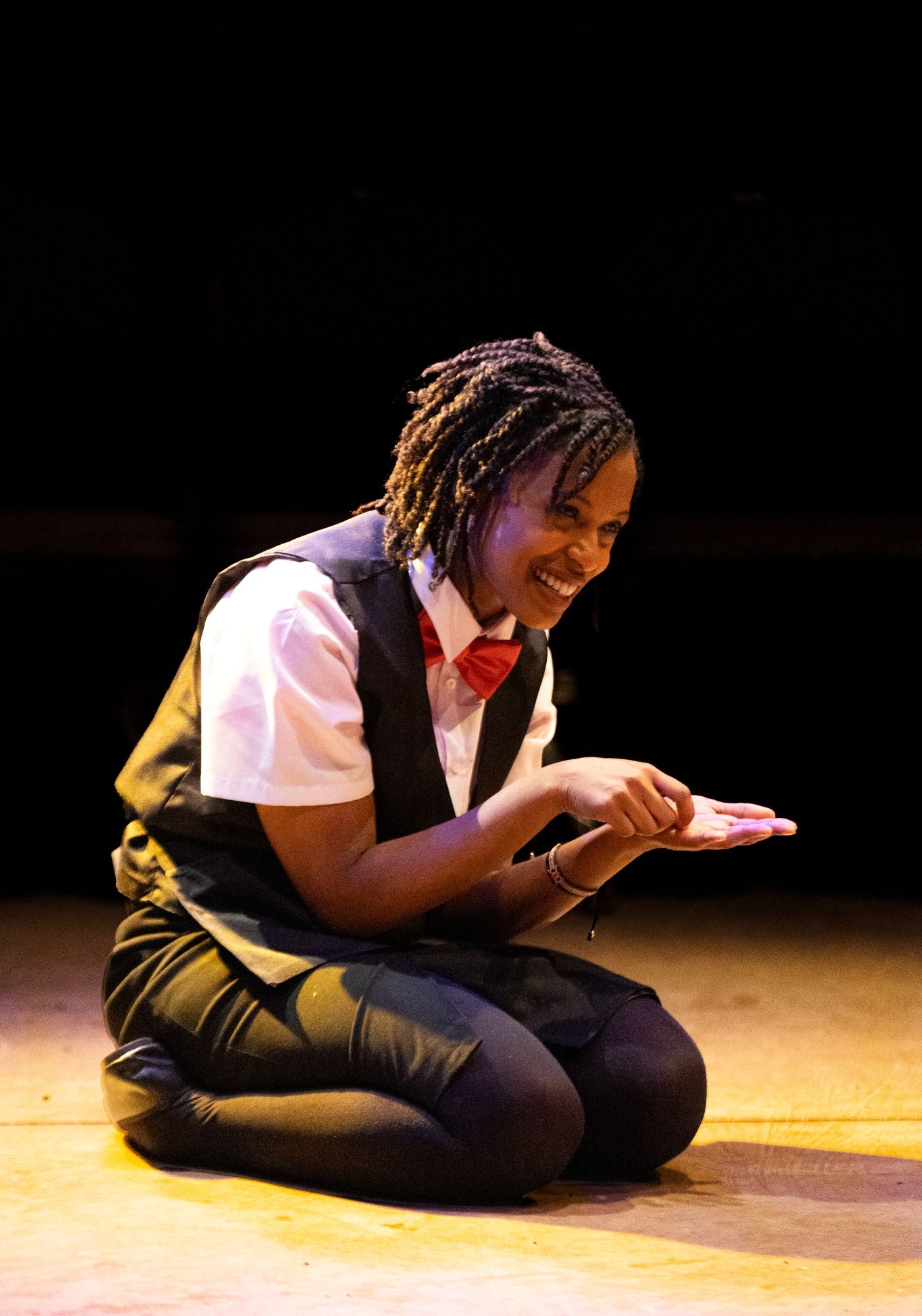
The opening scene establishes the tone with quiet precision. Jo, a seasoned aid worker, goes about the familiar rhythms of her work with the confidence of someone who has long believed in what she does. But beneath the professionalism and purpose, there is something not quite settled. A moment of hesitation during what should be a routine exchange signals that the certainties Jo has built her career around are beginning to shift. It is a small moment, but the play knows exactly what it is doing. From here onwards, A Fine Idea demonstrates a consistent understanding of how convictions are eroded not by dramatic confrontations but by the accumulation of smaller, quieter doubts.

What works especially well is the authenticity of the writing. Christine Bacon's dialogue feels inhabited rather than constructed, moving naturally between wit and weight without ever straining for effect. When Jo reflects on the system she has dedicated herself to with something close to pride — and then catches herself — the moment resonates precisely because of everything surrounding it. The script trusts its audience to follow the argument without spelling it out, and that trust is one of the production's greatest strengths.
The four-strong cast — Ella Bryant, Georgina Rich, Grace Saif and Kevin Trainor — bring warmth and specificity to their roles. Relationships feel fully formed rather than functional, and it is in the smaller physical details that the performances find their real depth. A glance held a beat too long, a smile that doesn't quite reach the eyes, a slight stiffening of posture when a difficult truth surfaces — these moments ground the production in recognisable human behaviour and give the political material an emotional immediacy it might otherwise lack.
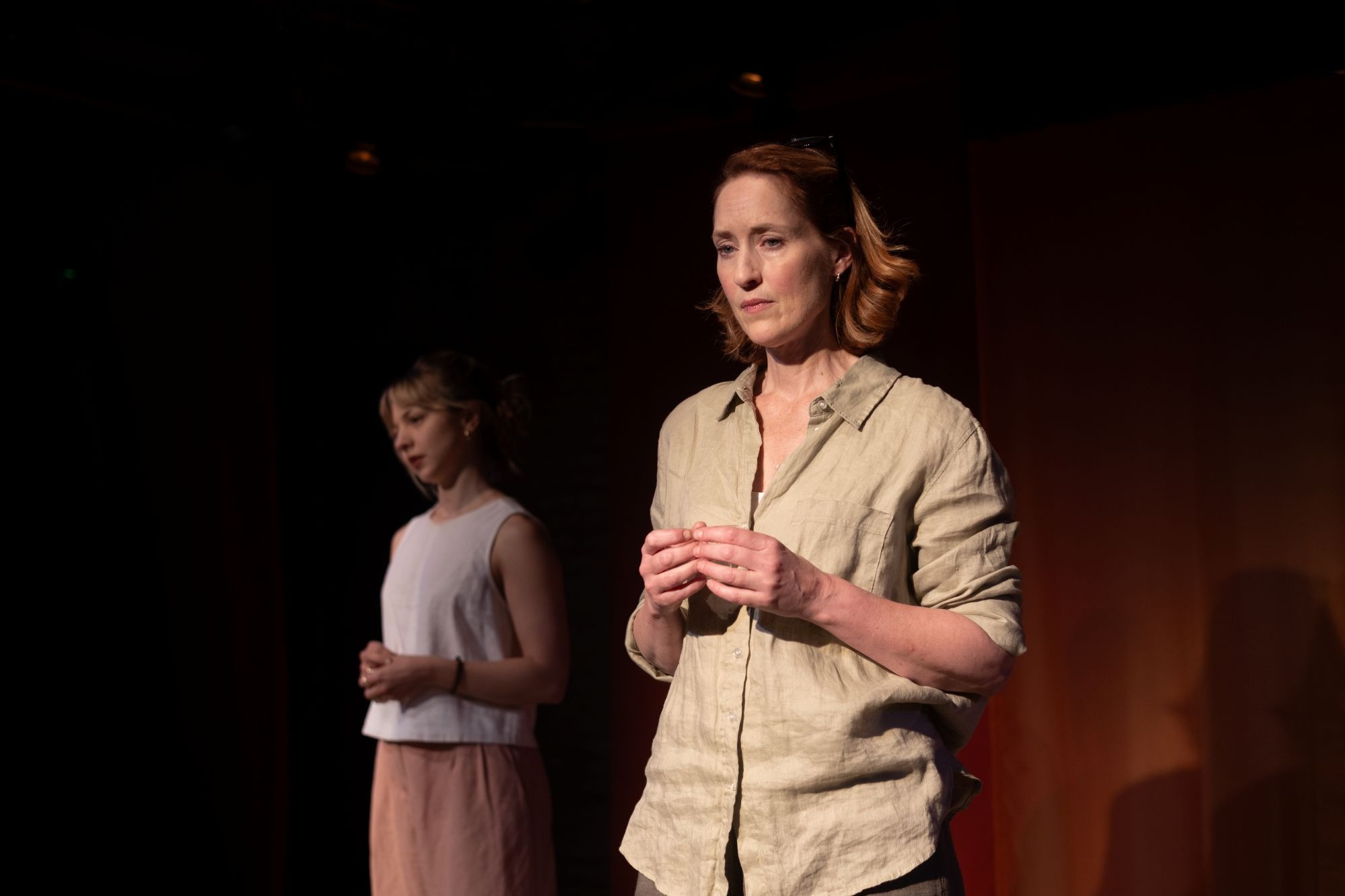
The staging is refreshingly restrained. Georgia Wilmot's design resists the temptation to illustrate the play's global scope with elaborate scenery, instead keeping the space flexible and the focus on the characters. Hartley Kemp's lighting shifts gently between locations and emotional registers, allowing scenes to move fluidly without interrupting the intimacy of the storytelling. Tom Smith's sound design adds texture without ever drawing attention to itself.
One of the production's greatest achievements is its ability to hold humour and reflection in balance. The relationships at the heart of the play are rendered with genuine affection, and the comedy that runs through them never feels inserted for relief. It grows from character and circumstance, which makes the quieter, more searching moments all the more affecting when they arrive.

There are passages where the pace deliberately slows, and characters are left to sit with uncertainty rather than move swiftly towards resolution. These are among the production's most valuable moments. A Fine Idea understands that genuine reckoning with history, with complicity, with one's own motivations, is not a sudden event but a gradual and often uncomfortable process, and Charlotte Westenra's direction gives the play the room it needs to let that process unfold honestly.

