

Timewalk at Immerse LDN: Twelve Thousand Years in an Hour, and a Spectacle That Puts Atmosphere Ahead of Archaeology
Timewalk is the kind of exhibition that reminds you how far immersive attractions have moved from the glass case and the wall text. Created by Türkiye-based DEM Museums, the team behind the Hagia Sophia and Ephesus Experience Museums, it opened at Immerse LDN on the ExCeL London Waterfront, and it is the company’s first immersive exhibition in the UK. The pitch is ambitious: a self-paced hour-long walk through 12,000 years of human history, drawing on 21 ancient civilisations from Göbeklitepe and Babylon to Ancient Egypt, the Maya and Rapa Nui. It fills more than 1,600 square metres with 360-degree projections, spatial audio, dynamic lighting and environmental effects. It is a handsome piece of showmanship, and families will enjoy it. If you go hoping to come away with a deep education, though, you may find it lighter on facts than its subject deserves.
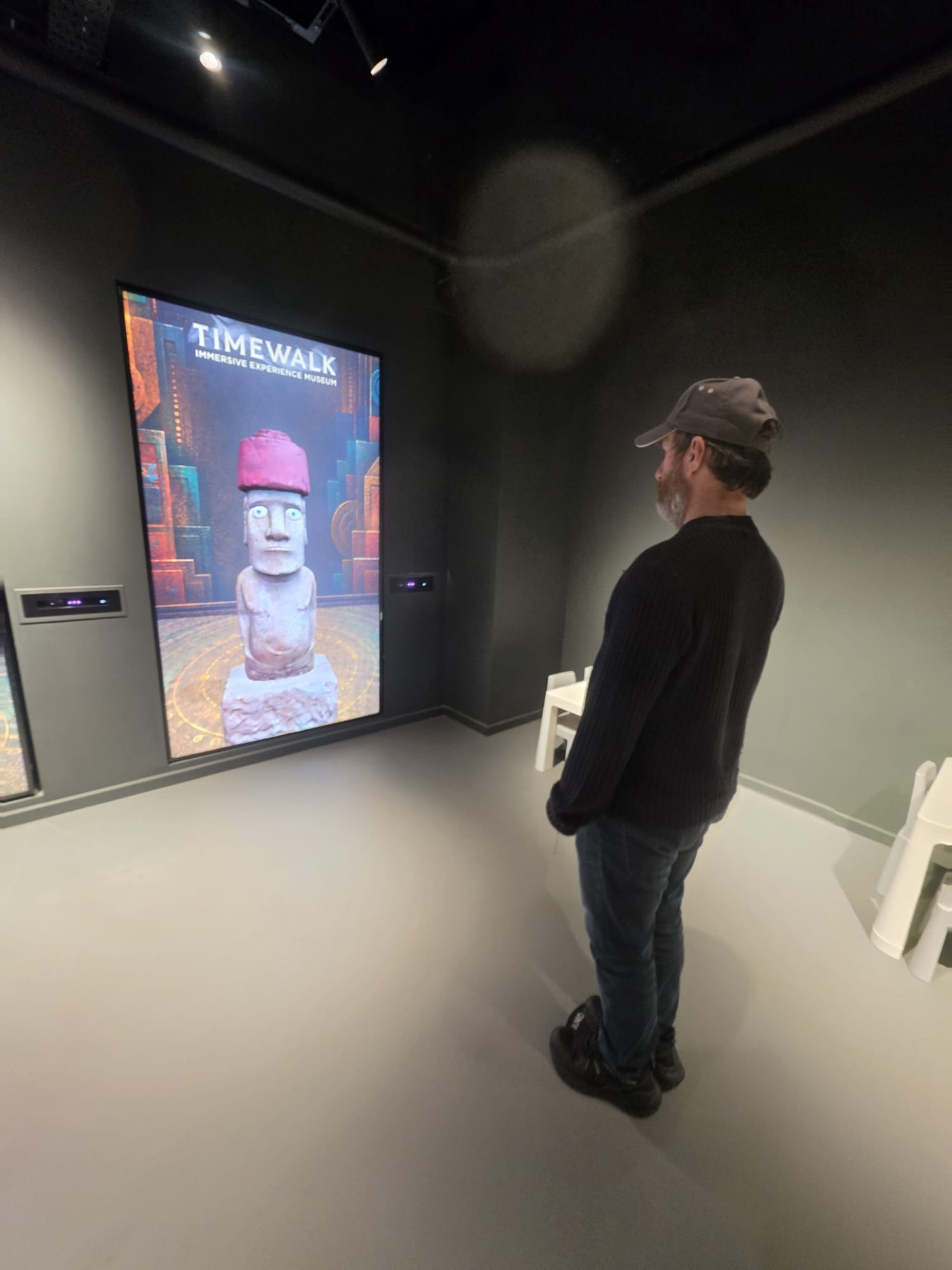
The experience starts with a clear sense of intent. Instead of the virtual-reality headsets that have become standard in London’s immersive attractions, Timewalk drops VR entirely and puts the room itself at the centre. Walls and floors become the screens, and each space is designed to surround you with the look and sound of a different culture. Your ticket includes timed entry, five themed halls, interactive technology zones, a play area, a photobooth and an audio guide available in more than 25 languages. From the first space onwards, it is clear that this is a show built for atmosphere, and the pacing suits it: you move at your own speed, in your own order, with no queues and no guide hurrying you along.
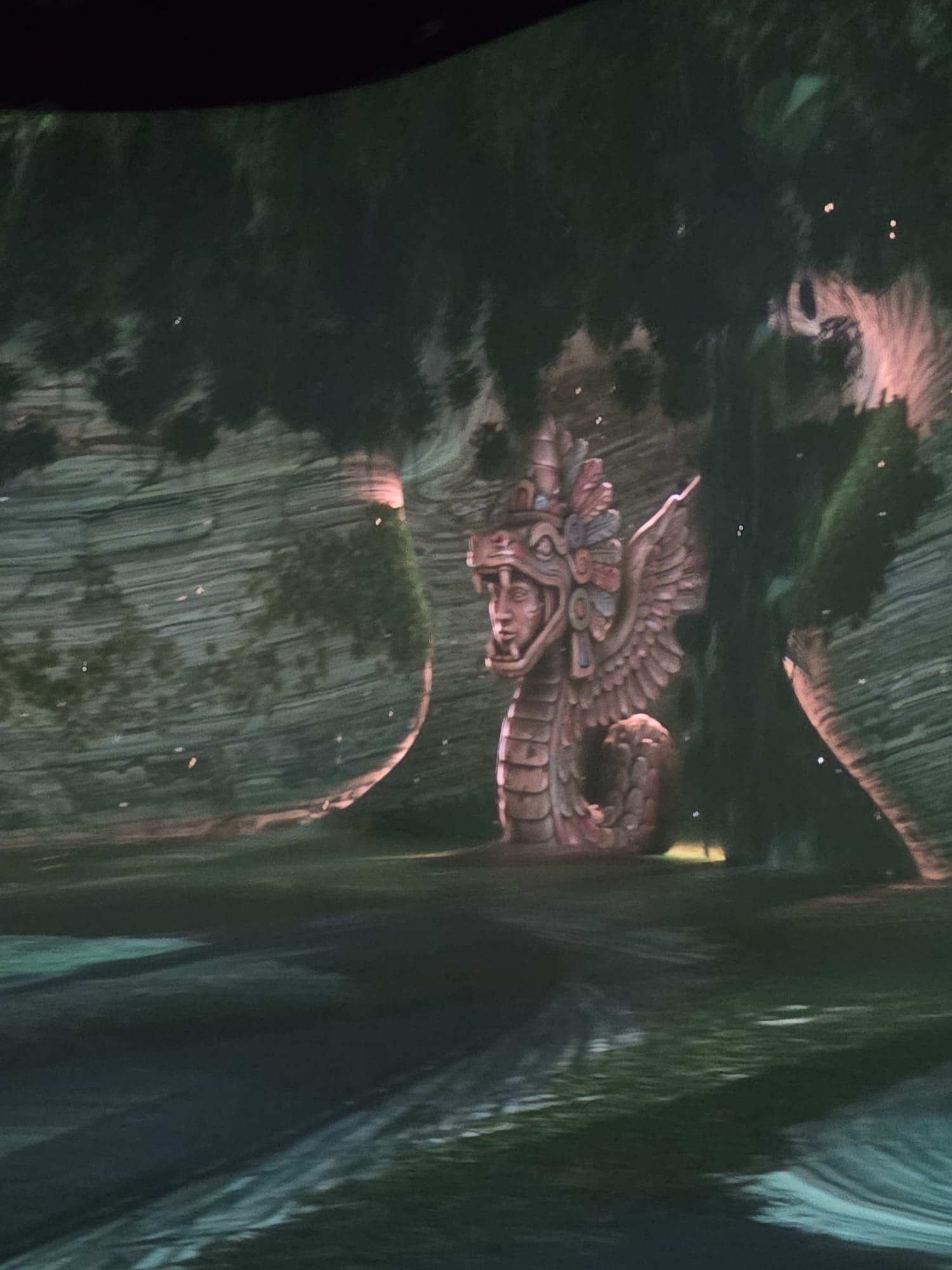
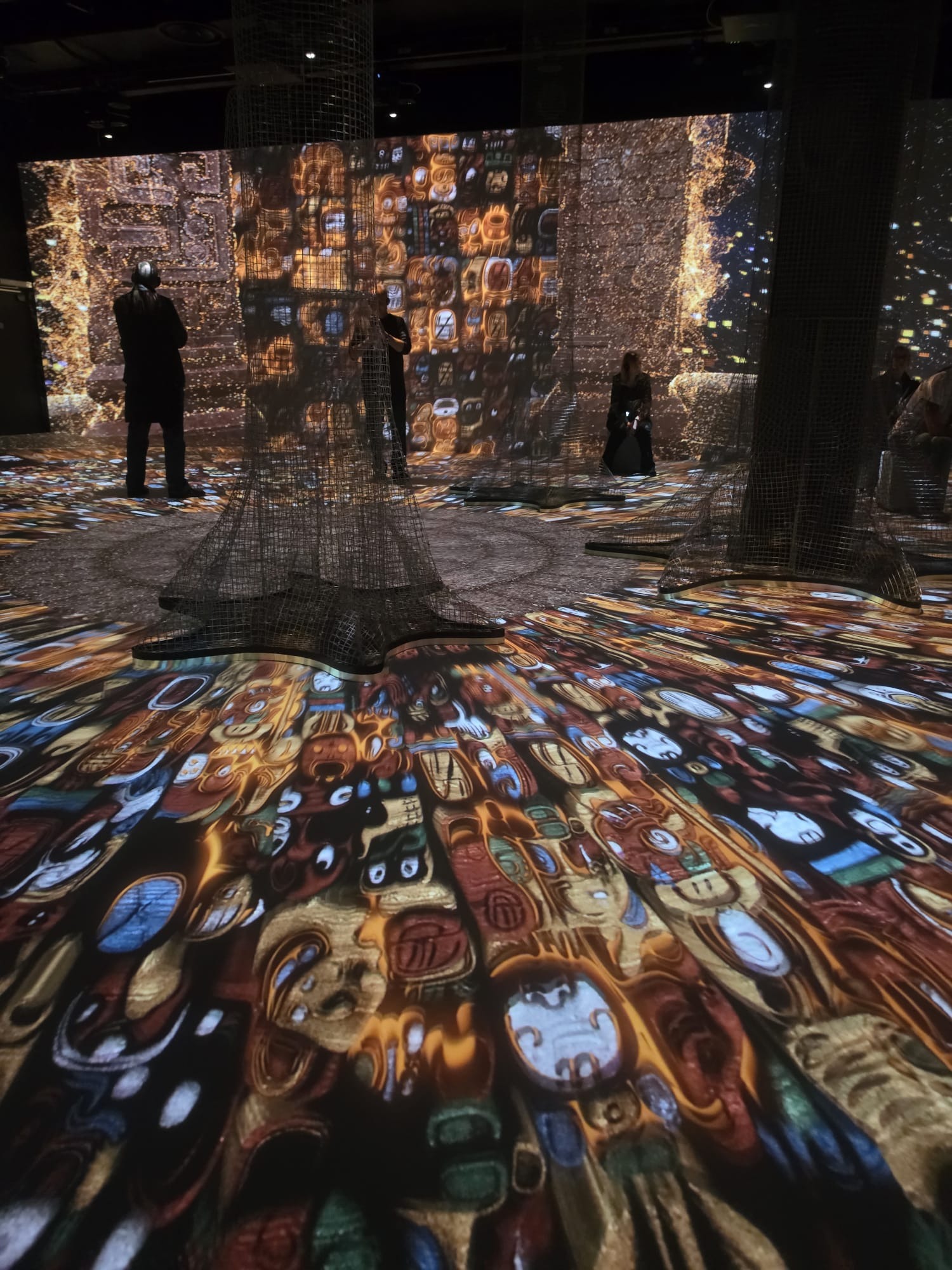
What works especially well is the visual spectacle. The projections are large, bright and carefully composed, and the spatial sound lifts them from wallpaper to something closer to a place. The best moments are the ones where light, sound and scale combine, and you feel the pull of a monumental temple, a river or an ancient city rising around you. The mix of cultures, from the early ritual site of Göbeklitepe to the pyramids and the great sculpted heads of Easter Island, gives the hour variety and a sense of sweep, even if it covers a lot of ground quickly.
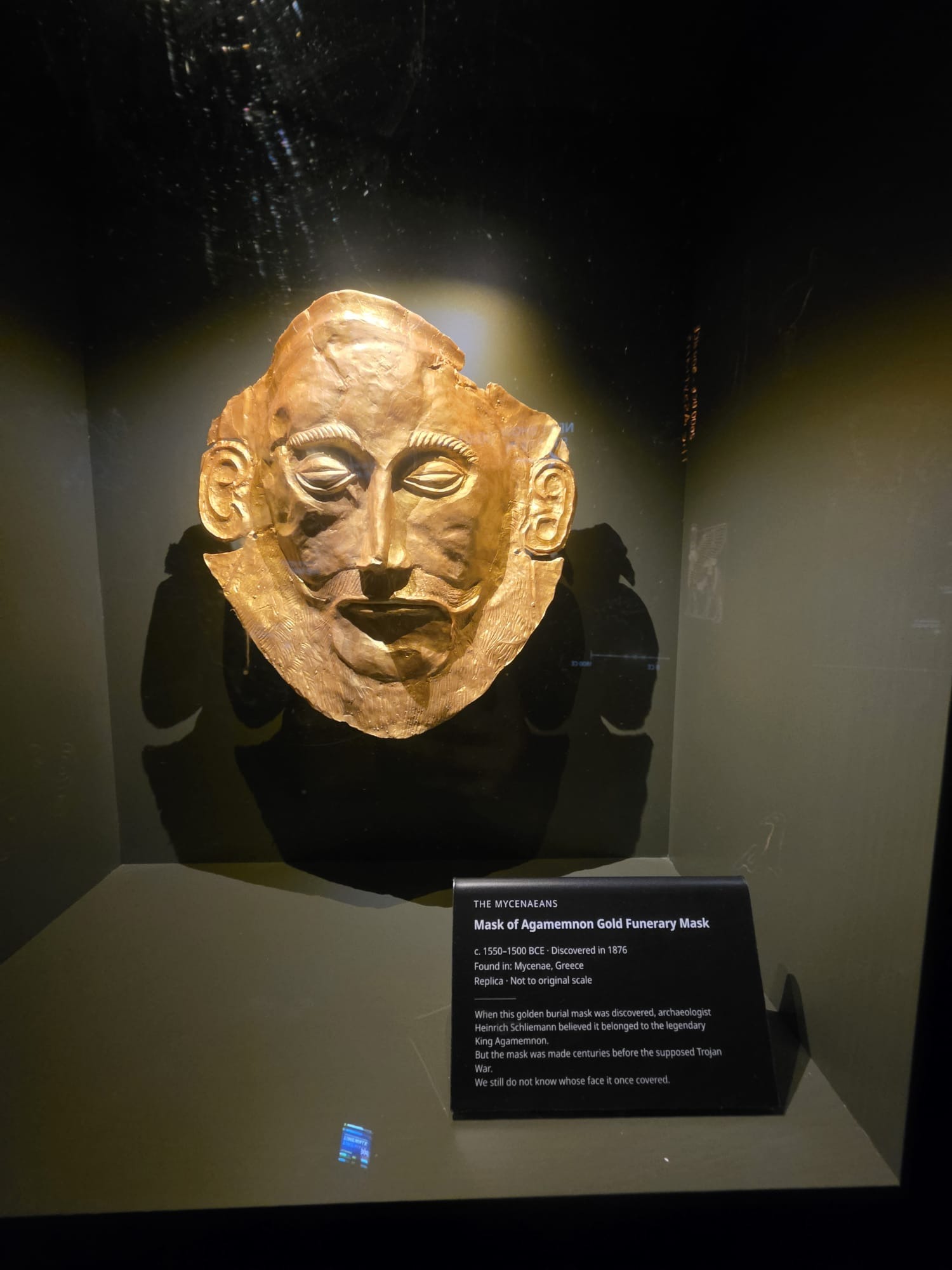
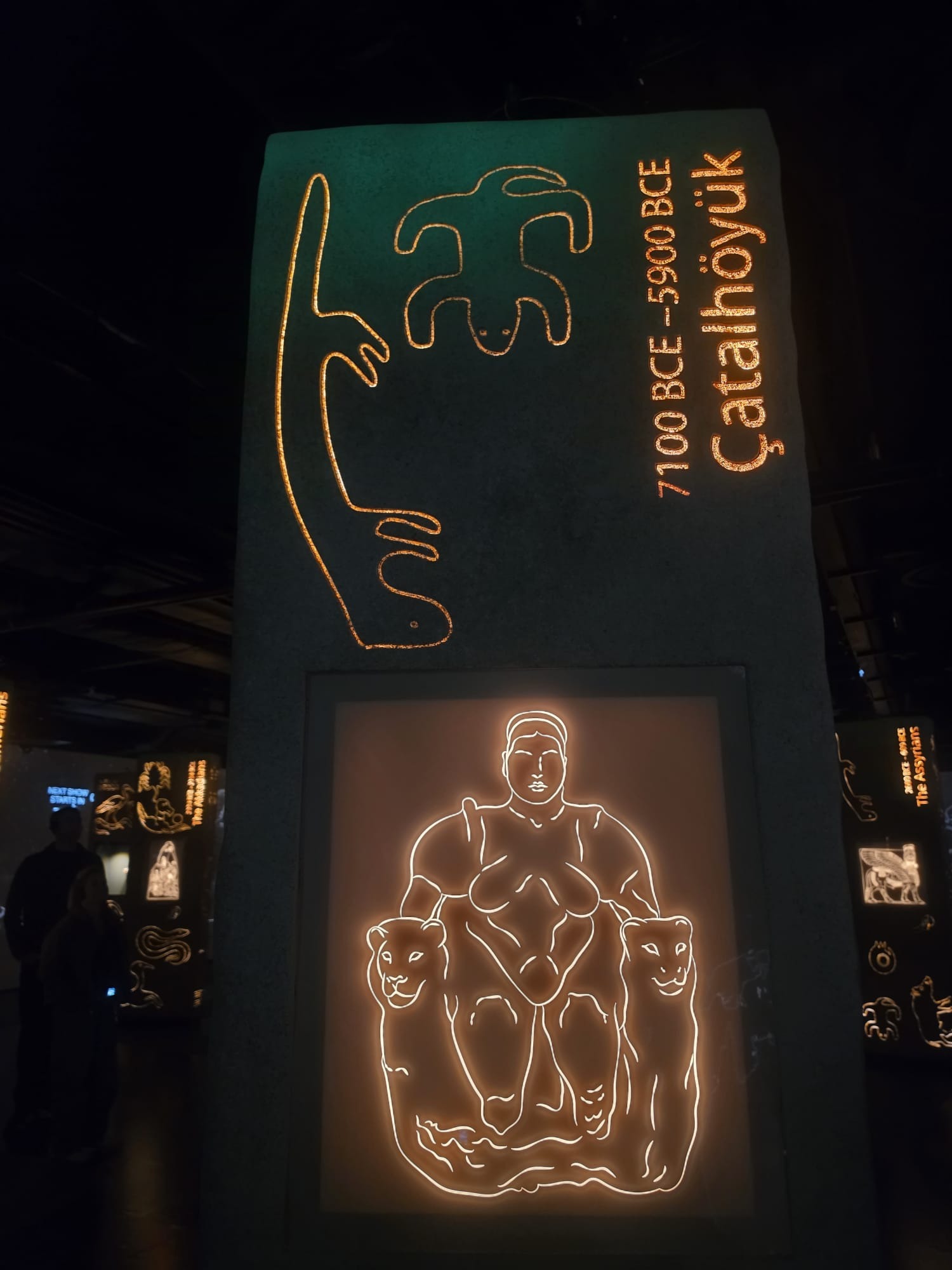
The same ambition is also where the exhibition’s limits show. With 21 civilisations in 60 minutes, the educational content has to be brief, and some visitors will want more than the cinematic storytelling provides. It is the sort of show that favours the feeling of a place over the detail of its history, so the audio guide and your own curiosity do much of the heavy lifting. Treat it as a gateway to ancient history and not a full lesson, and it delivers well. Expect a deep-dive museum and you may leave wanting more.
The setting helps. Immerse LDN is a clean, air-conditioned, wheelchair-accessible venue that is easy to reach on the Elizabeth line, the DLR or the Underground, and its open, purpose-built spaces suit large-scale projection far better than a conventional gallery. The experience is designed for all ages, with under-threes free, and the interactive zones and play area give younger visitors something to do beyond looking.
One of the exhibition’s greatest strengths is its accessibility. It asks nothing of you in advance; it welcomes visitors from around the world through its multilingual audio, and it is relaxed enough that you can linger in the rooms you like and move briskly through the others. Children especially respond to the scale and the sound, which can make the ancient world feel less like a school subject and more like a story.
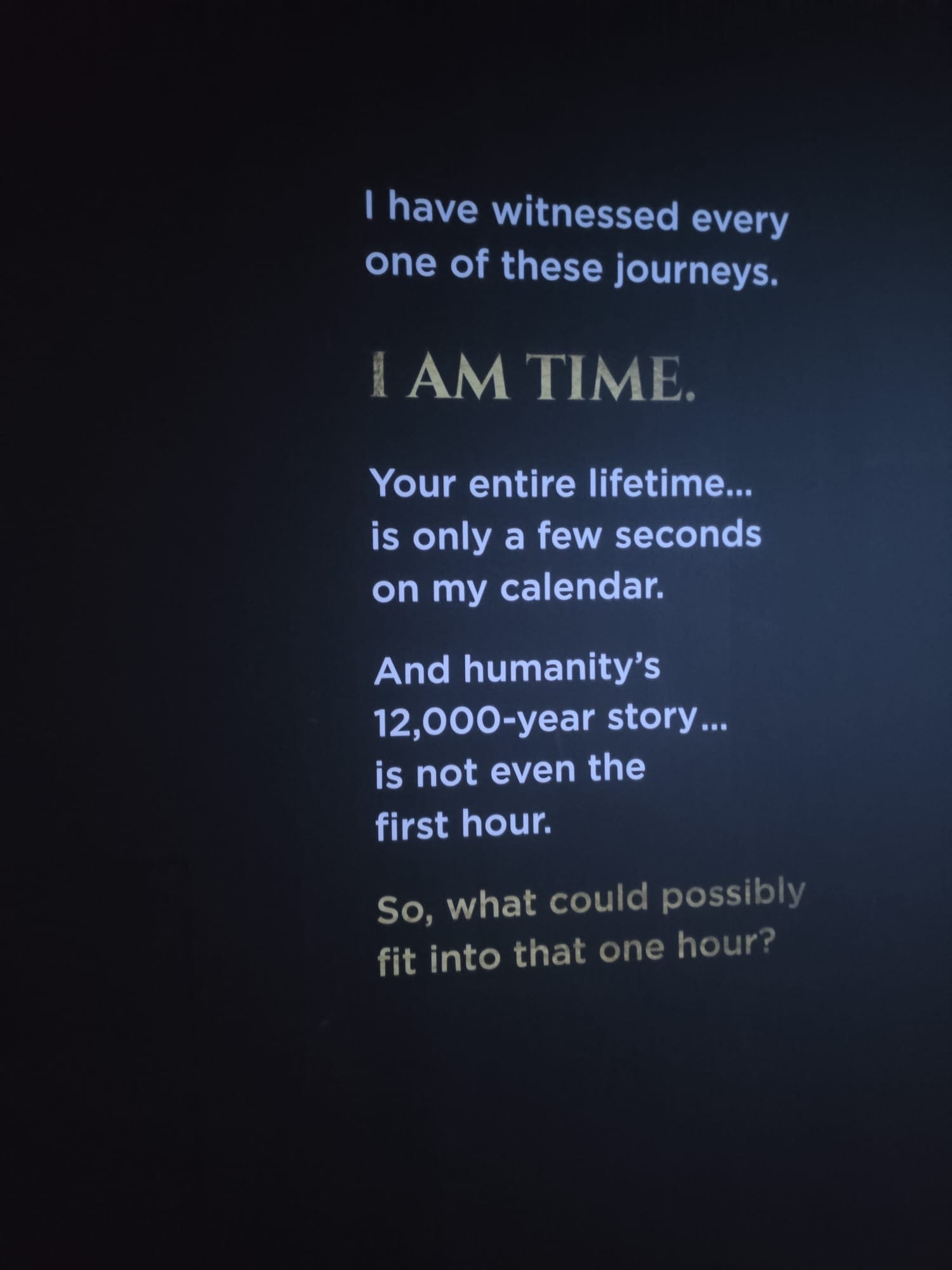
There are quieter moments between the big set pieces, when the light softens and the soundscape thins, and these are among the best parts of the hour. Timewalk understands that its strength is mood rather than information, and when it lets a single image and a single sound fill the room, it works. It is a beautiful and often absorbing hour, best enjoyed as an introduction to the ancient world rather than a final word on it.

