

Synthony at OVO Arena Wembley: When a Generation of Dance Anthems Gets the Full Orchestral Treatment
Synthony: A Generation of Dance Music is the kind of show that reminds you why the biggest dance anthems have always been more than beats. When the tunes are stripped back to melody and rebuilt for a live orchestra, you hear how well they were written all along. Created in Auckland, New Zealand, and presented by Duco Events, Synthony has been touring Europe in 2026 after a successful debut tour, and on Sunday 1 November it landed at OVO Arena Wembley. The pitch is simple and irresistible: thirty years of electronic dance music, reimagined by a live orchestra and combined with vocalists, DJs and a full lighting and visual production. For anyone who spent their twenties in a club or a festival field, the effect is a mix of nostalgia and euphoria, and the sold-out crowd in the arena clearly knew it.
The setting did the show a favour. OVO Arena Wembley opened as the Empire Pool in 1934, is Grade II listed and holds up to 12,500 people, and filling it with strings and brass tuned to a four-on-the-floor pulse is a striking idea in itself. The show is billed as featuring music associated with names such as Avicii, Calvin Harris, David Guetta, Swedish House Mafia, Eric Prydz, Darude, Bob Sinclair and Fisher. That is a roll call of the anthems that defined a generation, and the crowd responded the way you would expect to a first bar of a familiar melody, with a ripple of recognition and then a roar. The tracks were chosen for their tunes, which is what makes the orchestral treatment work.
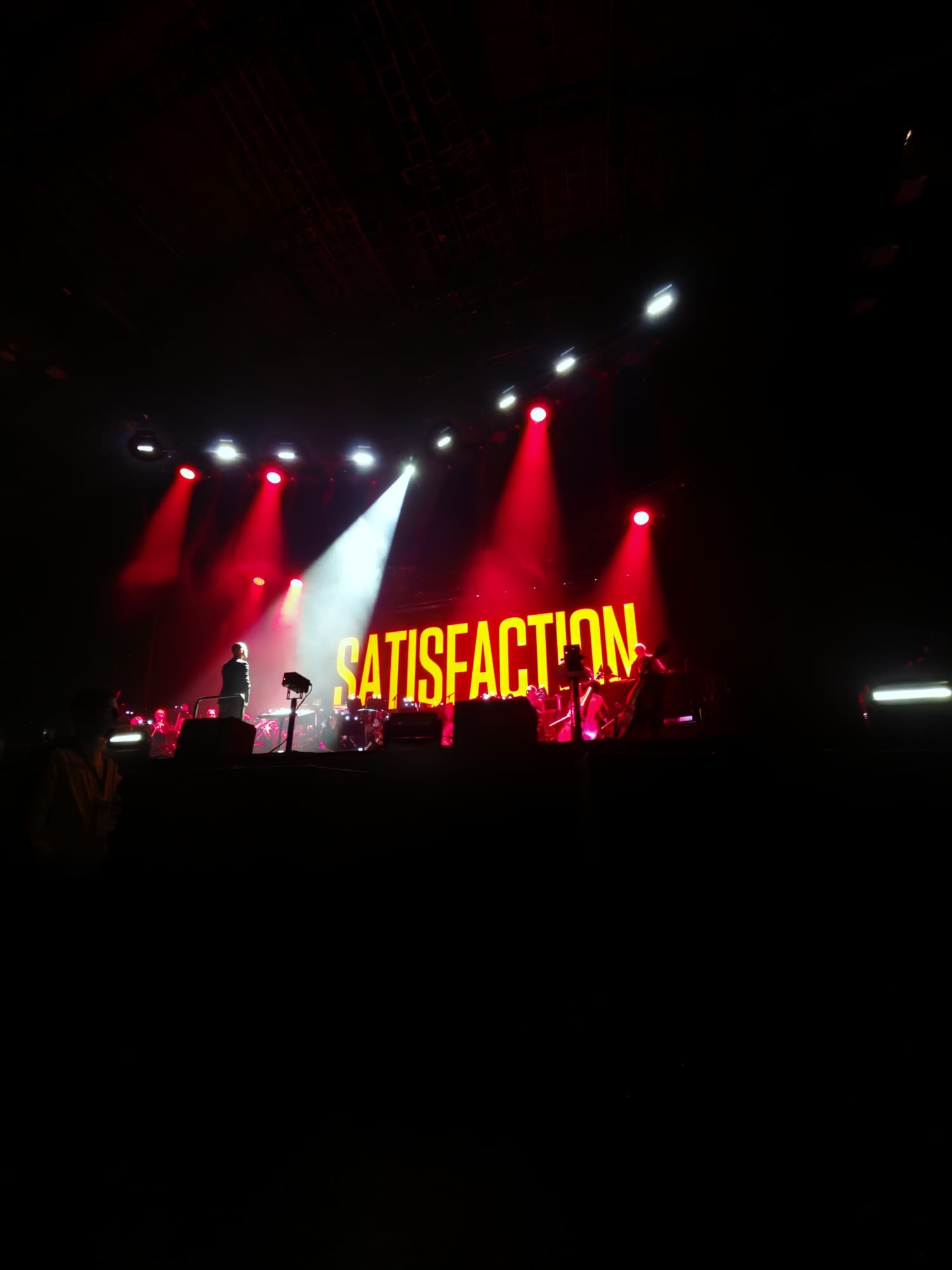
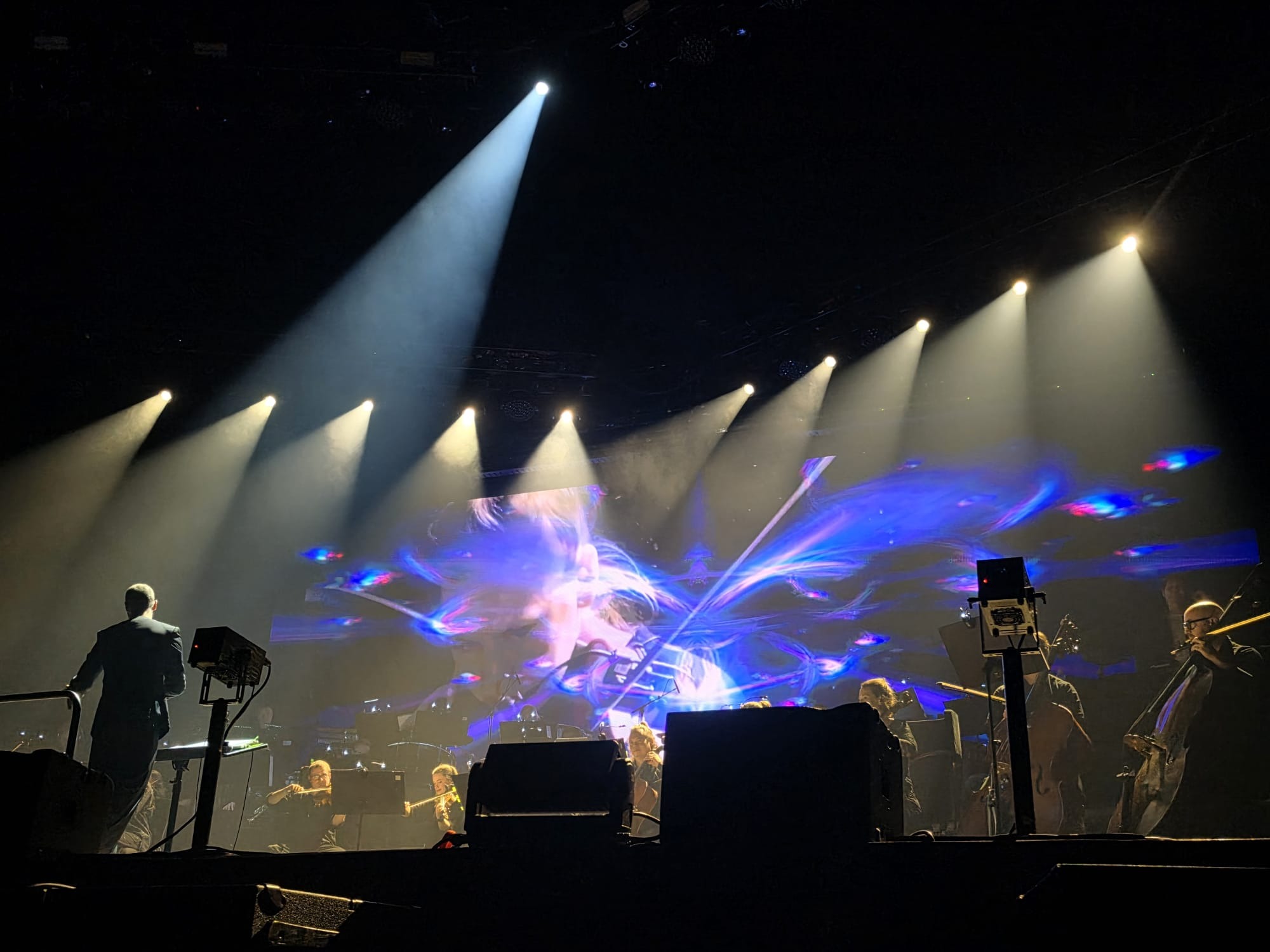
What works especially well is the premise. Dance music is built on repetition and release, on builds and drops, and an orchestra is surprisingly good at both. A string section can carry a build with a tension that a synthesiser cannot quite match, and a brass line can land a drop with real physical force. The best moments are the ones where you stop thinking about the arrangement and simply feel the old thrill returning, only with a new texture. The show is also smart about balance. The DJs keep the pulse and the electronic character intact, and the vocalists give the songs a human centre, so the orchestra enriches the music rather than replacing it.
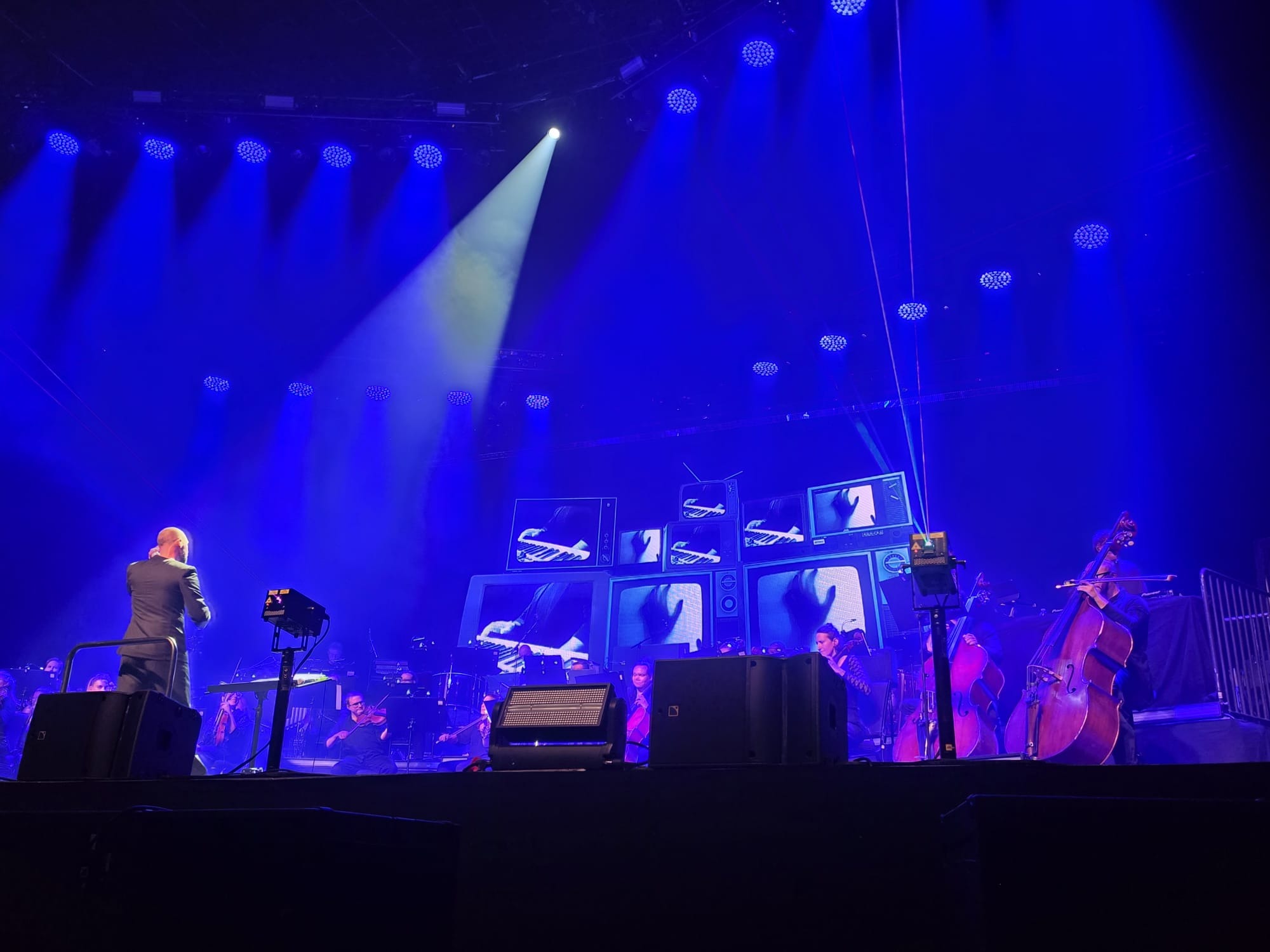
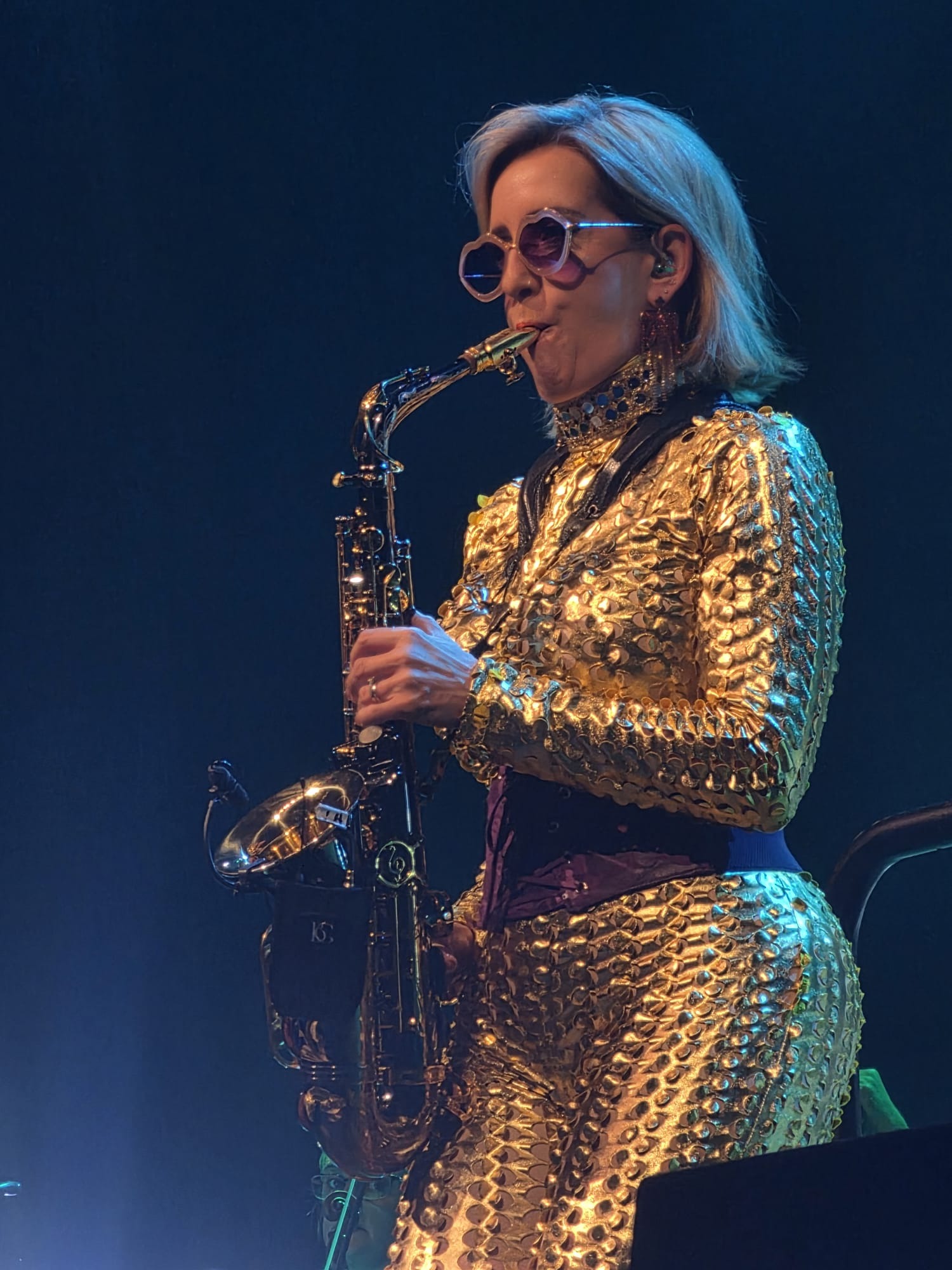
The production around it adds to the scale. The visuals and lighting are used as a full partner rather than decoration, giving the arena a sense of occasion, and the pacing keeps the energy high across a roughly two-hour programme. The sound at a venue of this size is always a challenge, and fans have noted loud mixes in the room before, so it is worth stating that the quieter, more melodic passages are where the orchestra shines most.
One of the show’s greatest strengths is its warmth. It celebrates the songs rather than showing off, and its tone is closer to a communal singalong than a lecture on genre. People of different ages and backgrounds came together to sing, dance and, in a few quiet moments, simply listen. The show also makes the case, without arguing it, that these anthems are now classics, as worthy of orchestral reinterpretation as any pop standard.
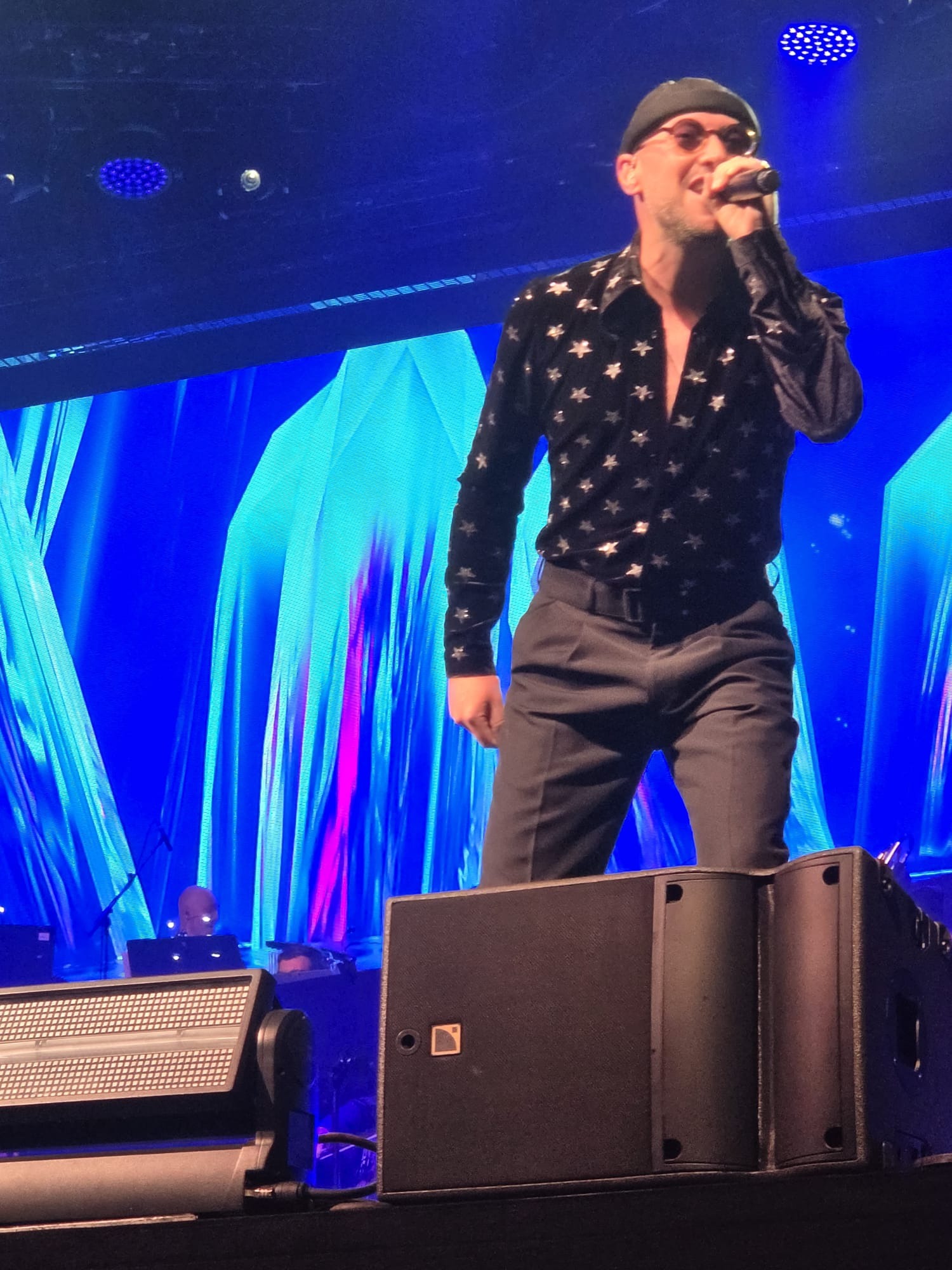
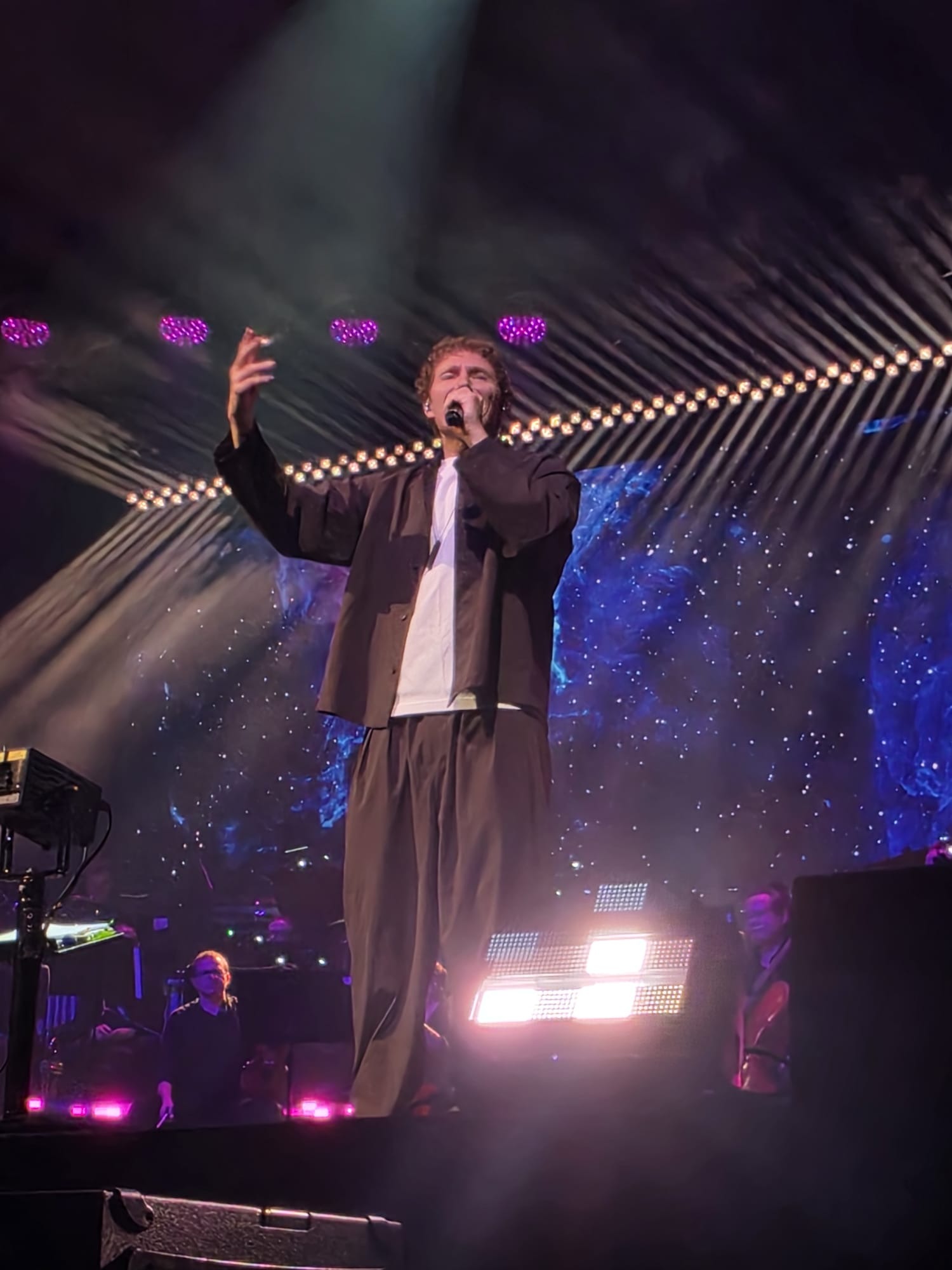
There are quieter passages as well, where the beat drops away, the strings carry a melody on their own and the arena holds its breath. These are among the evening’s most affecting moments, because they show what is left when you remove the production and keep only the tune. Synthony understands that a great dance track is a great song first, and the show is at its best when it lets that idea breathe.

