

Twenty Thousand Streets Under the Sky at Southwark Playhouse: Lonely Hearts and Grimy Streets
Twenty Thousand Streets Under the Sky, Patrick Hamilton's trilogy of novels adapted for the stage by Simon Reade and directed by Matthew Iliffe, is the kind of production that reminds you why period drama, when handled with intelligence and care, can feel more alive and immediate than almost anything set in the present day. Running at Southwark Playhouse Borough, this world premiere stage adaptation brings 1929 London roaring back to life — not the London of glamour and pageantry, but the smoky, rain-slicked, aching London of people who want more than the city seems willing to give them. It is darkly funny, quietly devastating, and thoroughly absorbing from start to finish.
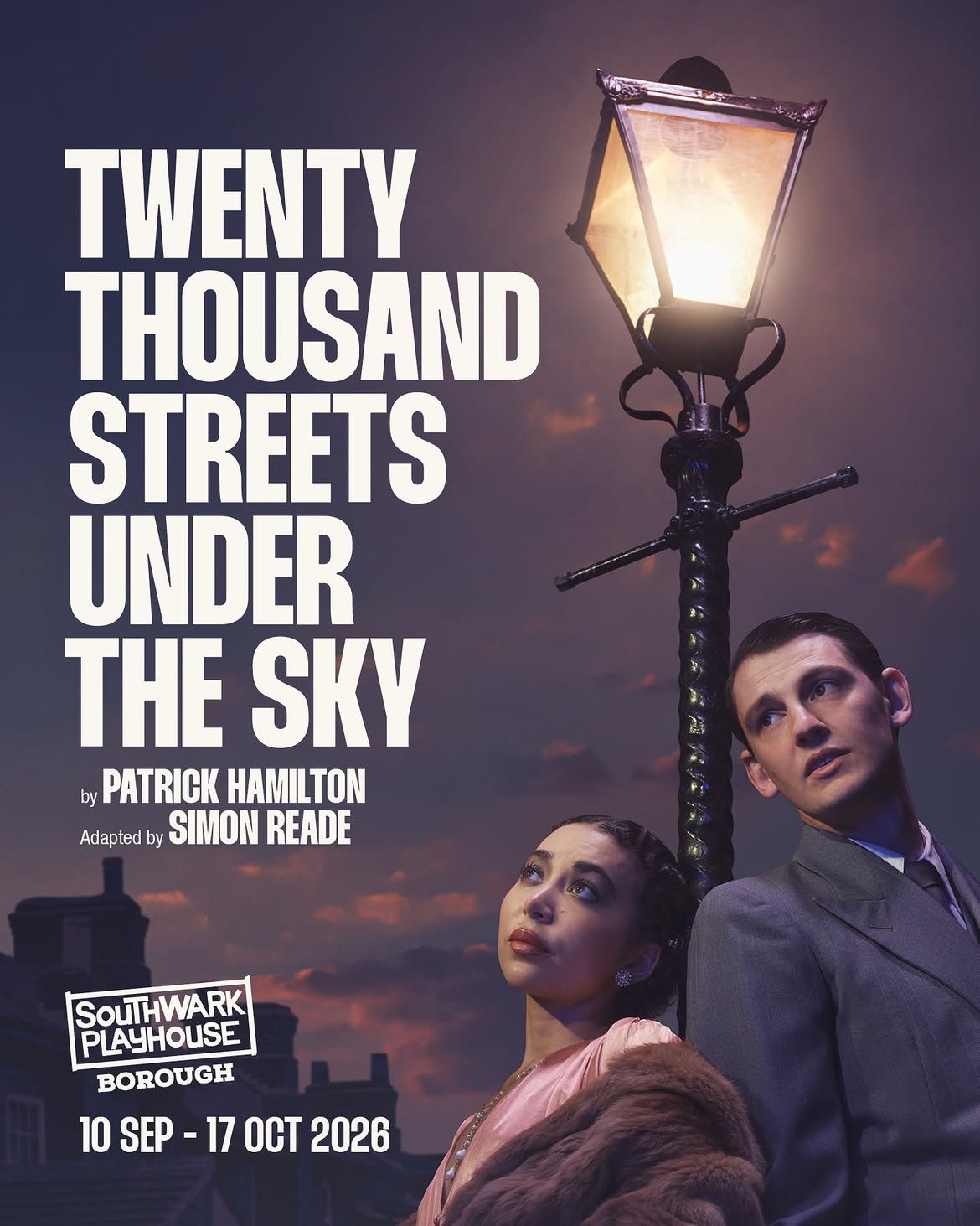
The opening scene establishes this world with deceptive ease. Behind the bar of the Midnight Bell, Bob moves through the familiar motions of his evening shift, pulling pints, exchanging pleasantries, and keeping things running smoothly. The atmosphere is convivial on the surface, but there is something restless underneath it. A glance held slightly too long, a pause before answering a simple question, a laugh that doesn't quite disguise a longing — and from that moment onwards, the production signals clearly that it is interested not in the surface of things but in everything simmering beneath them. Hamilton's genius was always for the gap between what people say and what they feel, and this adaptation honours that instinct from its very first minutes.

What works especially well is the authenticity of Simon Reade's adaptation. The dialogue feels lifted from life rather than constructed for effect, moving between sharp wit and genuine ache with a naturalness that is difficult to achieve and easy to underestimate. When Bob deflects a question about his writing with a self-deprecating joke that lands just slightly too quickly, the line resonates because of everything surrounding it, the dreams he hasn't quite abandoned, the life he hasn't quite built. The script consistently trusts the audience to read between the lines, and that trust pays dividends throughout.
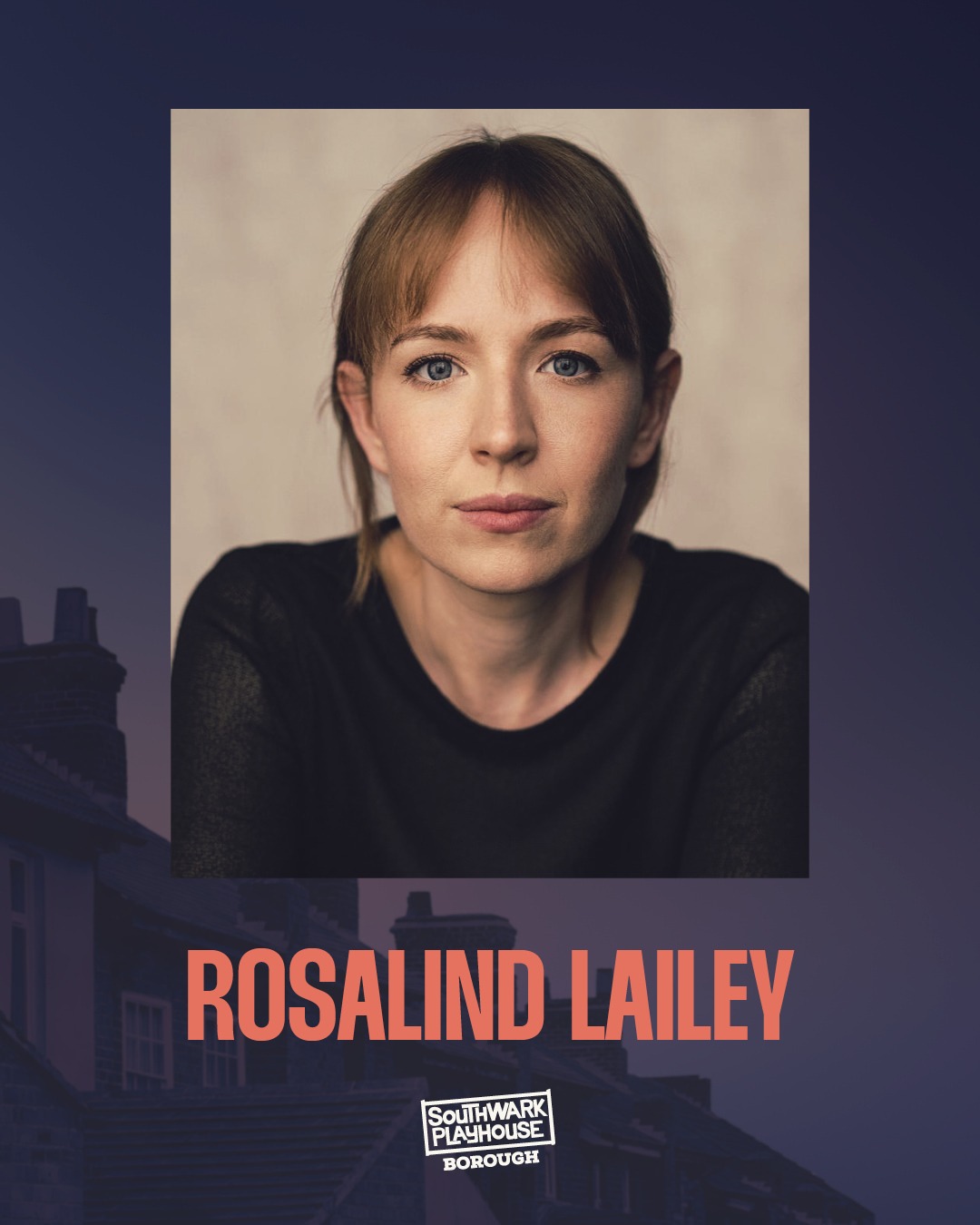
The three central performances carry the production with considerable assurance. Jordan Scowen's Bob is all suppressed yearning and misplaced hope, a man whose decency keeps tripping him up in a world that doesn't especially reward it. Rosalind Lailey brings warmth and quiet dignity to Ella, making her devotion feel earned rather than sentimental. And Yanexi Enriquez is magnetic as Jenny Maple, layering the role with enough mystery and intelligence to ensure that Jenny never becomes simply a function of Bob's obsession. The relationships between all three feel lived-in and real, and it is in the smaller physical details, such as a hand withdrawn at the last moment, a smile offered to fill a silence, two characters carefully not looking at each other across a crowded room, that the emotional stakes become most acute.

Ellie Wintour's set and costume design is period-precise without ever feeling like a museum exhibit. The staging uses the Southwark Playhouse's large space generously but not wastefully, keeping the focus on faces and relationships rather than spectacle. Alex Musgrave's lighting captures the particular quality of London evenings — gaslit streets giving way to the warm fug of pub interiors — while Elizabeth Purnell's sound design and original compositions give the production a period texture that feels atmospheric rather than decorative.
One of the production's greatest strengths is its ability to hold comedy and sorrow in balance without allowing either to undercut the other. The pub scenes in particular have a genuine social warmth which makes the moments when loneliness breaks through all the more affecting. The humour never feels inserted for relief; it grows from character and situation, which is exactly as Hamilton intended it.
There are passages where the pace deliberately eases, and characters are allowed to sit with their wants and regrets rather than rush towards resolution. These are among the production's most valuable sequences. Matthew Iliffe's direction understands that what makes Hamilton's world so enduring is precisely its refusal to hurry, the sense that these streets go on and on, and that the people walking them will keep carrying their hopes and their disappointments for as long as the city keeps turning. The production earns its two hours and twenty minutes, and then some.

